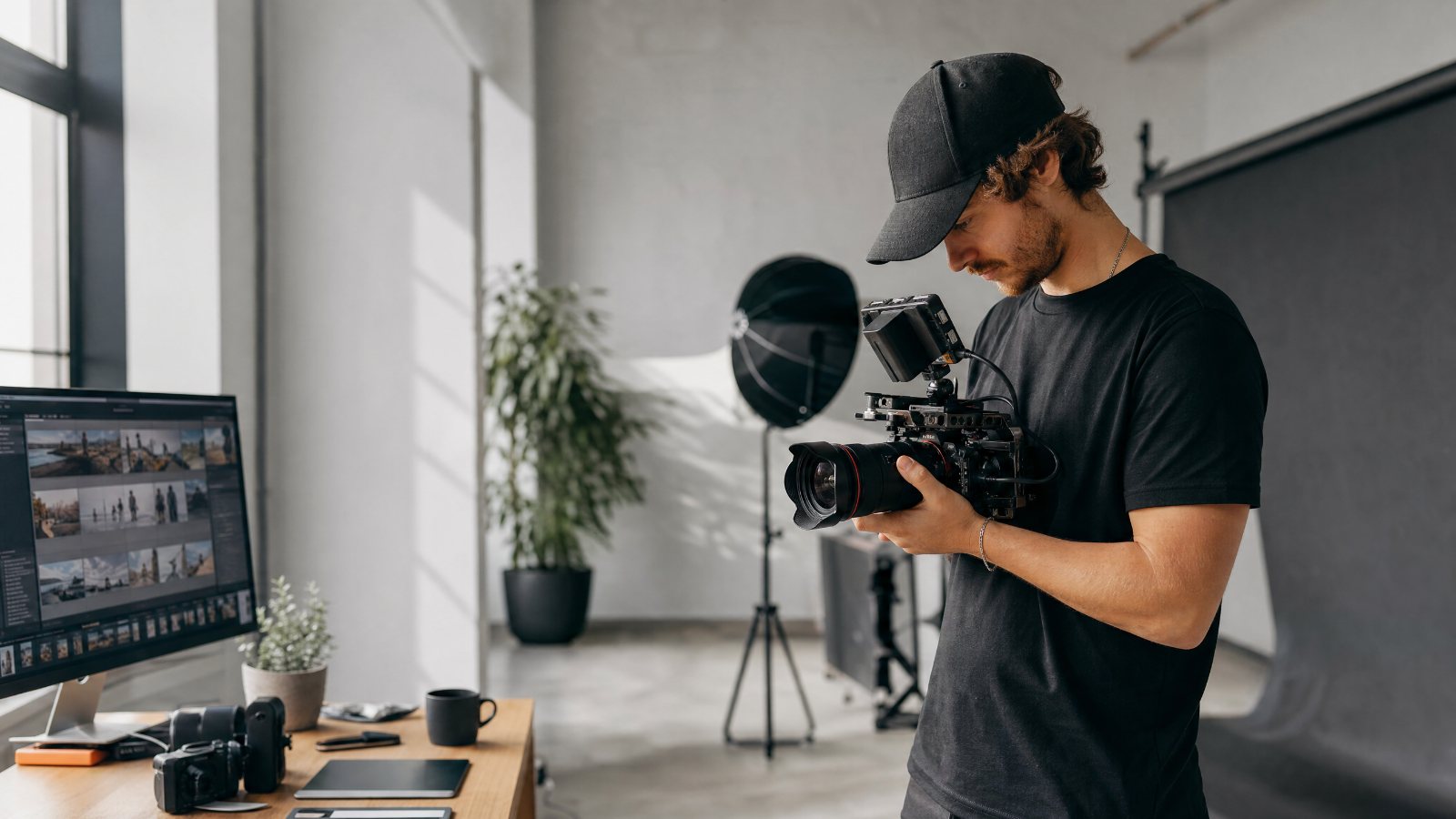
Your work is strong, clients come back, you are booked. But there is a good chance you are paying more tax than you need to, because nobody has told you what you can claim.
Most creatives are in this position. You have bought equipment, software and a desk at home. You travel between projects. Then the return gets filed, you pay what it says, and you never really know whether everything was claimed or whether you left money with HMRC.
The real problem
You do not claim what you are entitled to. You are unsure of the rules, so you leave the home office out. You buy software and hesitate because you do not know whether it counts. You invest in equipment without knowing how to claim it. Over a year that adds up, and it stays with HMRC rather than in your business.
You overpay as a result. If the costs are not claimed, your profit looks higher than it really was, and the tax is worked out on that figure.
You buy things blind. New software, a camera body, a better workspace. You do not know how any of it lands on your tax bill, so you either avoid the purchase or make it without knowing what it truly costs you.
An expense you do not claim is not a small admin miss. It is tax paid on profit you never made.
How this works in practice: Owen's story
Owen is a videographer and editor. When he came to us his bookkeeping was scattered, and more importantly he had no clarity on what he could claim.
He had real questions:
- Can I claim my home office
- If I buy editing software or new equipment, how does that work for tax
- Are subscriptions claimable
- Can I claim travel to a shoot
- What about training courses
He was overpaying because he was not claiming things he was entitled to. He was also holding off on investing in the business, because he did not understand how those purchases would be treated.
We went through it with him: what is a straightforward business expense, what comes with conditions attached, what does not count at all, and how to record it so nothing is a guess in January.
Owen now knows what he can and cannot claim. He is not overpaying. He buys equipment with confidence. At tax time there are no surprises, because he has been clear all year.
You can see Owen's work at creativepilot.co.uk.
What you should know
If you run a creative business, you should be able to answer all of these:
- Which of my costs are legitimately claimable
- How equipment purchases are treated
- Whether my home office qualifies, and on what basis
- What training and professional development counts
- How to record all of it through the year, so January is not a scramble
Most creatives cannot answer them, and most are paying more than they need to as a result.
This is general guidance, not advice for your business. What you can claim depends on how you work, what you bought and why you bought it. Ask us and we will tell you properly for your situation.
What your accountant should be doing
Filing the return is the smallest part of it. For a creative business, a good accountant should:
- Get the bookkeeping clear, so you trust the numbers
- Explain what you can and cannot claim, so you stop guessing
- Make sure you are not overpaying by missing something legitimate
If yours files once a year and you hear nothing in between, you are probably paying more than you owe.
The practical next step
We work with creative businesses to get the books clear and to make sure you know exactly what you can claim. Most creatives are overpaying because nobody has explained the rules to them.
Your work is good. Your tax position should be too.